Blog
Why We Always Look Beyond the Fault Code
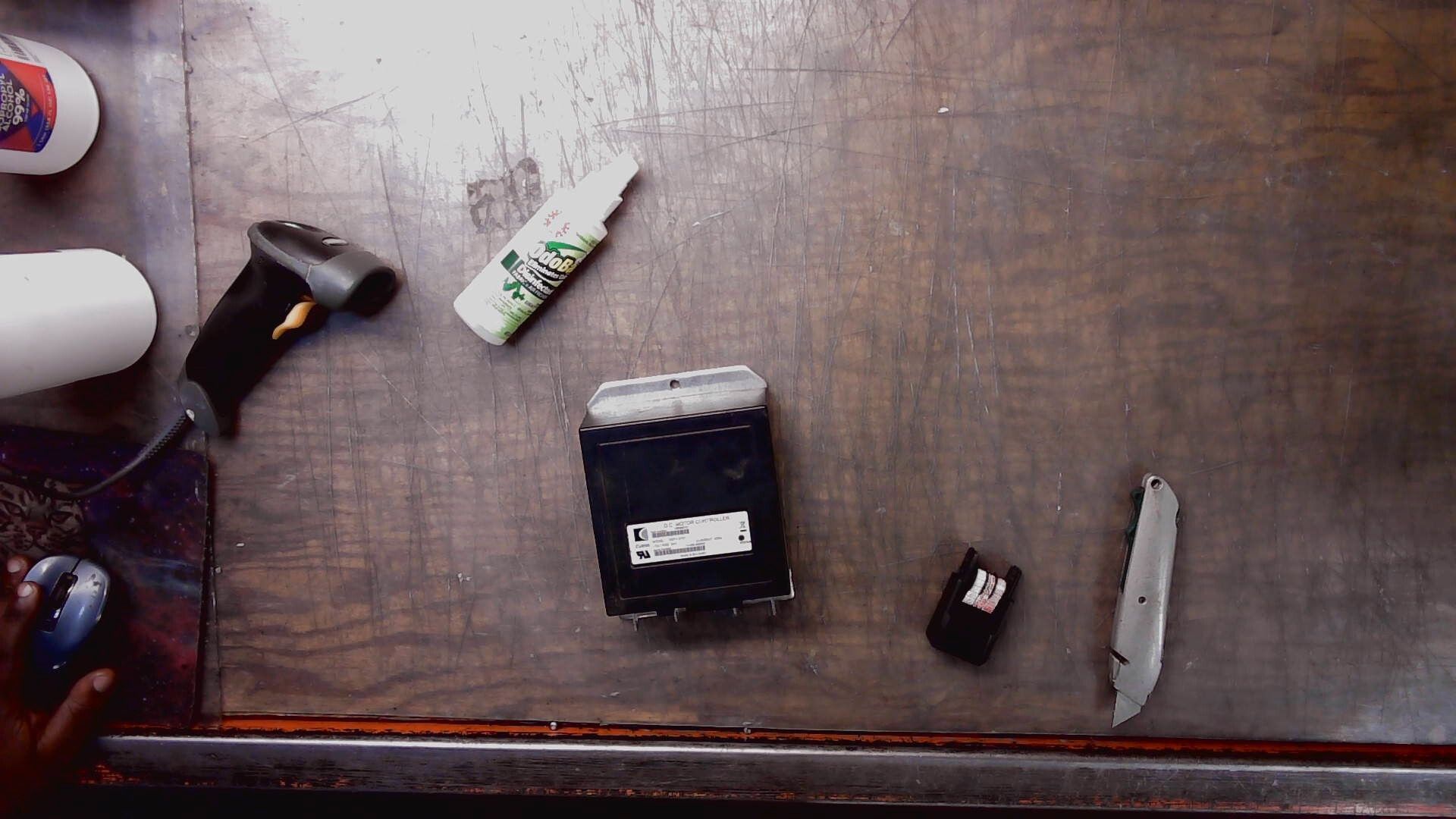
When a customer sent us a Curtis 1207A-5101 controller pulled from a Big Joe PD25158TR, the work order was straightforward: “No Travel” fault code, needs repair. We could have fixed the controller, shipped it back, and called it a day. But that’s not how we work.
The Repair Was the Easy Part
Our technicians diagnosed the controller and confirmed it needed repair – that part was expected. What we didn’t do was stop there.
After completing the repair, we took a closer look at why the controller failed in the first place. What we found: a faulty potentiometer (pot) had been feeding bad signals to the controller over time, eventually causing the failure that triggered the fault code.
The controller wasn’t the problem. It was the symptom.
Fix the Cause, Not Just the Code
This distinction matters more than it might seem. If that customer had reinstalled the repaired controller without replacing the pot, they’d likely see the same fault code – and the same downtime – within weeks.
Returning a repaired part without flagging the root cause isn’t a complete repair. It’s a temporary fix. And temporary fixes cost more in the long run: in labor, in parts, and in operational disruption.
So we did what we always do when we catch something like this – we included detailed notes on the packing slip explaining what we found and what needs to be addressed before reinstallation.
Our Notes Aren’t Optional Reading
Every repair that leaves our facility comes with documentation. If there are additional steps the customer needs to take – replacing a worn component, checking a related system, addressing an installation issue – it’s in the notes.
We can’t stress this enough: read the packing slip before you reinstall anything. Those notes are there because we found something that matters. Skipping them means skipping part of the repair.
The Uniparts Difference
A lot of shops will fix what’s broken and send it back. We’re not interested in being a revolving door for the same failed parts. Our goal is to help you actually solve the problem, which means understanding why something failed, not just what failed.
That approach comes from experience. Our team has seen enough recurring failures to know that the fault code is rarely the full story. There’s almost always something upstream worth investigating.
When we can help you prevent a repeat failure, we will. Every time.
Got a Part That Keeps Failing?
If you’re dealing with a persistent issue – a controller that keeps faulting out, a component that fails ahead of schedule, a problem that just won’t stay fixed – let our technicians dig into it.
We’ll identify the root cause, document our findings, and give you a clear path forward. Contact us or request a quote, and let’s get to the bottom of it.